
Your Healthcare Brand is on Social Media. But is it Working?
May 04, 2026
Not long ago, if someone had a health question, they called their doctor. Maybe they Googled it. Maybe they asked a family member who seemed like they knew things. The information chain was linear, slow, and largely controlled by institutions.
That’s over.
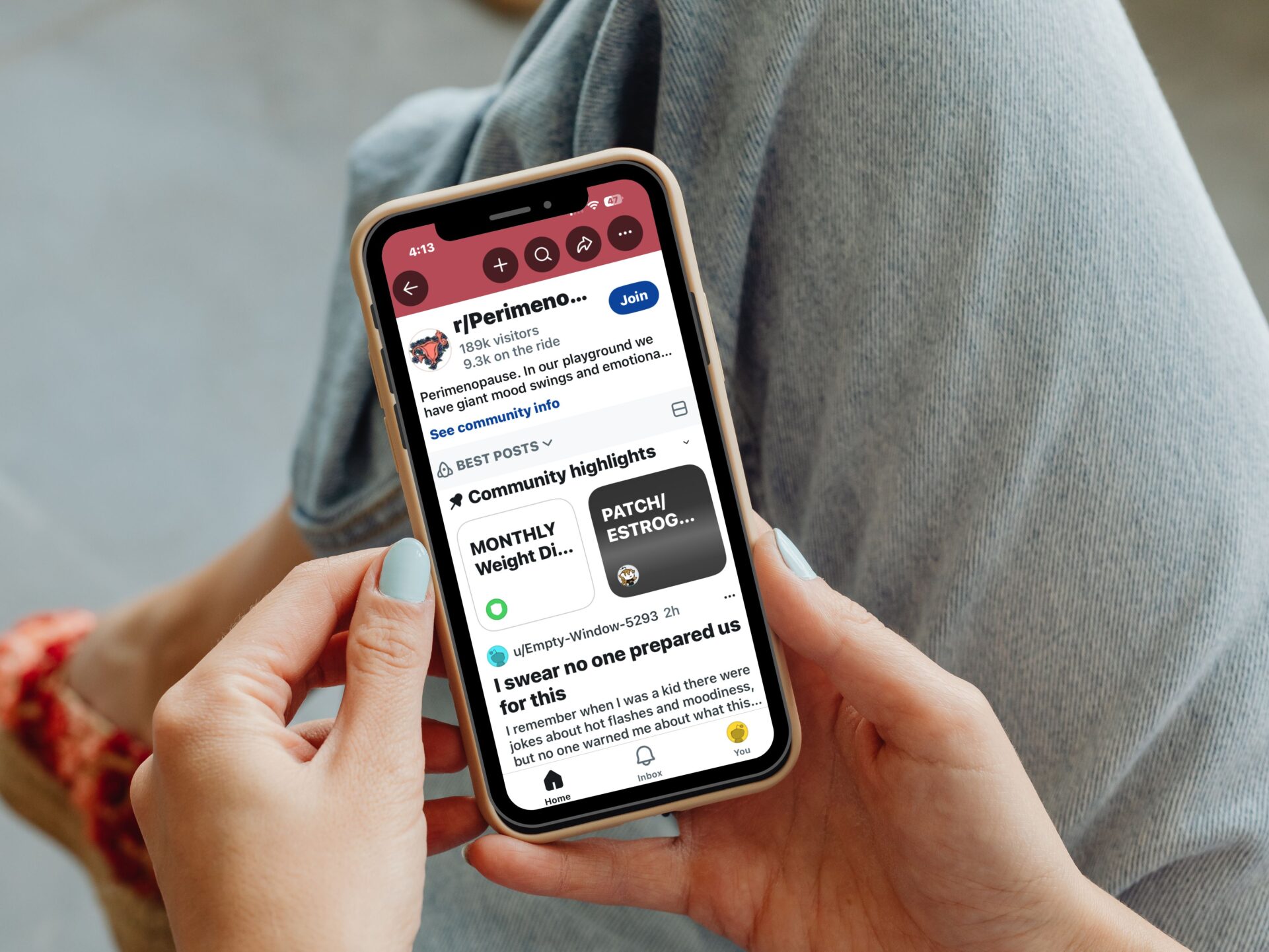
Today, people are turning to TikTok or Reddit before they turn to their physician. They’re watching Board-Certified Dermatologists break down skincare science in 60-second clips. They’re finding community in comment sections, making treatment decisions based on creator testimonials, and building trust with brands they’ve never met in person, because someone they do trust vouched for them online.
This is the new reality of health influence. And if your wellness or healthcare brand isn’t built for it, you could be losing ground.
- The Power Shift is Real
- Four Shifts You Need to Know
- What this Means for Wellness Brands
- The Opportunity
The Power Shift is Real
Ogilvy Health’s recent State of HealthFluence put language to something many of us in marketing have been feeling for years: health decisions are increasingly driven by culture, creators, and community, marking a profound power shift in how people seek and receive health information.
Ogilvy Health calls it HealthFluence: a world where health is inseparable from daily life, embedded in social platforms and trusted voices.
This is a paradigm shift. And it has massive implications for every brand in the wellness, healthcare, and home health space.
The old playbook (publish a white paper, run a clinical-looking ad, sponsor a health fair) isn’t cutting through anymore. Traditional health communication built solely on important information no longer resonates. People don’t want to be lectured. They want to be seen, understood, and met where they actually are: scrolling through Instagram at 10pm, watching TikTok between meetings, looking for answers that feel real.
Four Shifts You Need to Know
The Ogilvy HealthFluence team outlined four critical shifts shaping how health content performs on social media today. Here’s how we interpret them through a brand strategy lens:
- Health in Moments People aren’t searching for health content in designated “health spaces” anymore. They’re encountering it in their feeds, woven into lifestyle content, morning routines, beauty tutorials, and home tours. Your brand needs to show up inside those moments, not interrupt them.
- Fit Over Fame Follower count used to be the primary metric for influencer selection. What matters now is fit: does this creator’s audience trust them? Do their values align with your brand? Do their followers actually engage, or just scroll past? A niche creator with 40K deeply loyal followers in the wellness space will outperform a celebrity with 4M disengaged ones every time.
- Community as Currency The most powerful health content isn’t broadcast. It’s conversational. It lives in comment threads, DMs, group chats, and shared saves. Brands that build communities (not just audiences) are building something that compounds over time.
- Creators as Collaborators The Ogilvy webinar featured Dr. Charles Puza, a Board-Certified Dermatologist and creator, alongside Jessica Pansini, Head of U.S. Social Media for Sanofi. Two people operating at the intersection of clinical credibility and creator culture. Their presence proves that social platforms have emerged as the go-to reference for people seeking health information. The most effective brands aren’t just sponsoring creators. They’re genuinely collaborating with them.
What this Means for Wellness Brands
At Well Connected Brands, we work with clients across the wellness and lifestyle space, from sleep solutions to air quality to healthy living environments. And what we see, every single day, is that the brands winning on social media aren’t the ones with the biggest budgets. They’re the ones with the clearest point of view and the most human presence.
Here’s what we tell our clients:
Stop trying to control the message. Start earning trust. In health and wellness, trust is the only currency that matters. That means showing up consistently, being transparent about what your product does and doesn’t do, and letting real people (whether that’s creators, customers, or community members) do some of the talking for you.
Think in stories, not specs. Nobody shares a feature list. They share the moment a mattress helped them sleep through the night for the first time in years. They share the air quality monitor that finally explained why their kid was waking up with headaches. Find the human story inside your product and lead with that.
Credibility + culture = connection. The most effective health content today marries clinical credibility with cultural relevance. That’s what the best wellness brands are learning to do on Instagram. You don’t have to choose between being trustworthy and being interesting. The best brands are both.
Meet people in their moments. You’re not competing for attention in a health category. You’re competing for attention in a scroll. That means your content needs to be thumb-stopping and substance-filled. Pattern interrupts. Unexpected angles. Real voices. Visuals that don’t look like stock photos.
The Opportunity
The brands that understand HealthFluence (that health content is culture content, that creators are the new trusted voices, and that community builds loyalty that advertising can’t buy) are the brands that will lead the next decade of wellness marketing.
Having a presence is the baseline. What separates the brands gaining ground from the ones standing still is how intentionally they show up.
Social media moves fast. Algorithms reward consistency and cultural relevance. Audiences are forming habits and loyalties right now, in real time. The question isn’t whether your brand is on social media. It’s whether your social media is actually working as hard as it should be.
We can help you get there. Contact Well Connected Brands today!
Source: https://www.ogilvy.com/ideas/ogilvy-live-state-healthfluence-how-health-influence-culture-are-converging