
AEO for Wellness Brands: Why it’s the SEO Conversation of 2026
June 01, 2026
For nearly two decades, ranking on the first page of Google was the goal. Wellness brands invested in keywords, backlinks, and technical SEO with one objective, to become the link a person clicks.
That model is evolving.
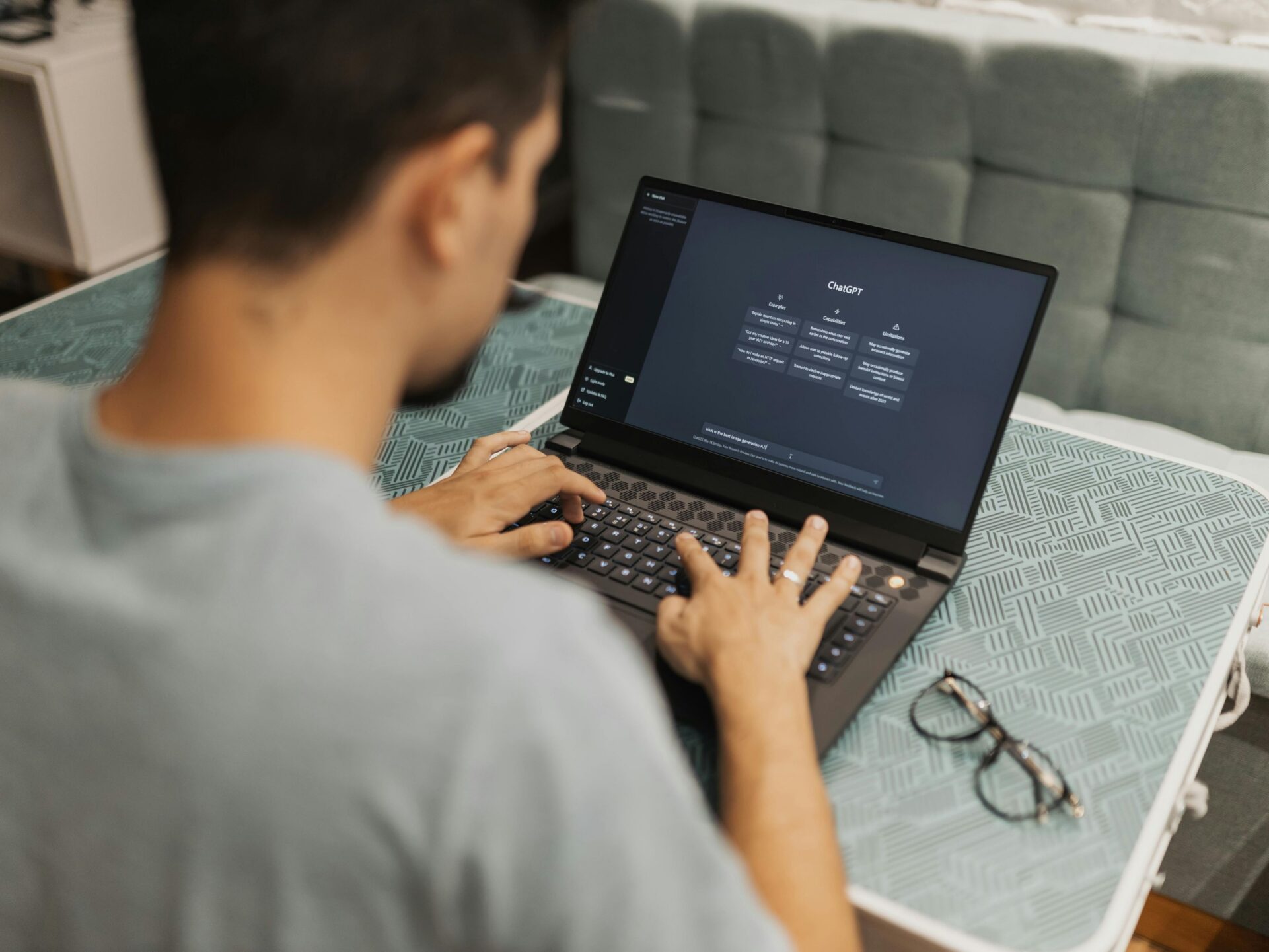
Today, when a consumer wants to know whether ashwagandha actually helps with sleep, which longevity clinic to consider, or what separates a Class II medical device from a wellness wearable, they don’t always go to Google. They go to ChatGPT Search or AI search engines like Perplexity. If they go to Google, data is starting to show consumers are using Google’s AI Overviews and AI Mode to get their answers.
With consumer search behavior rapidly evolving brands have started to shift from a pure traditional SEO strategy to one that incorporates AI-optimization. This shift has a name: Answer Engine Optimization (AEO), sometimes called Generative Engine Optimization (GEO). And for wellness brands, it represents a consequential change in digital marketing since mobile.
- What is Answer Engine Optimization?
- Why AEO Matters More for Wellness Brands than Almost any Other Category
- What’s Happening to Wellness Search Right Now
- What Wellness Brands Should Do Now
- Test and Learn
- How Well Connected Brands Helps Wellness Brands Win in AI Search
What is Answer Engine Optimization?
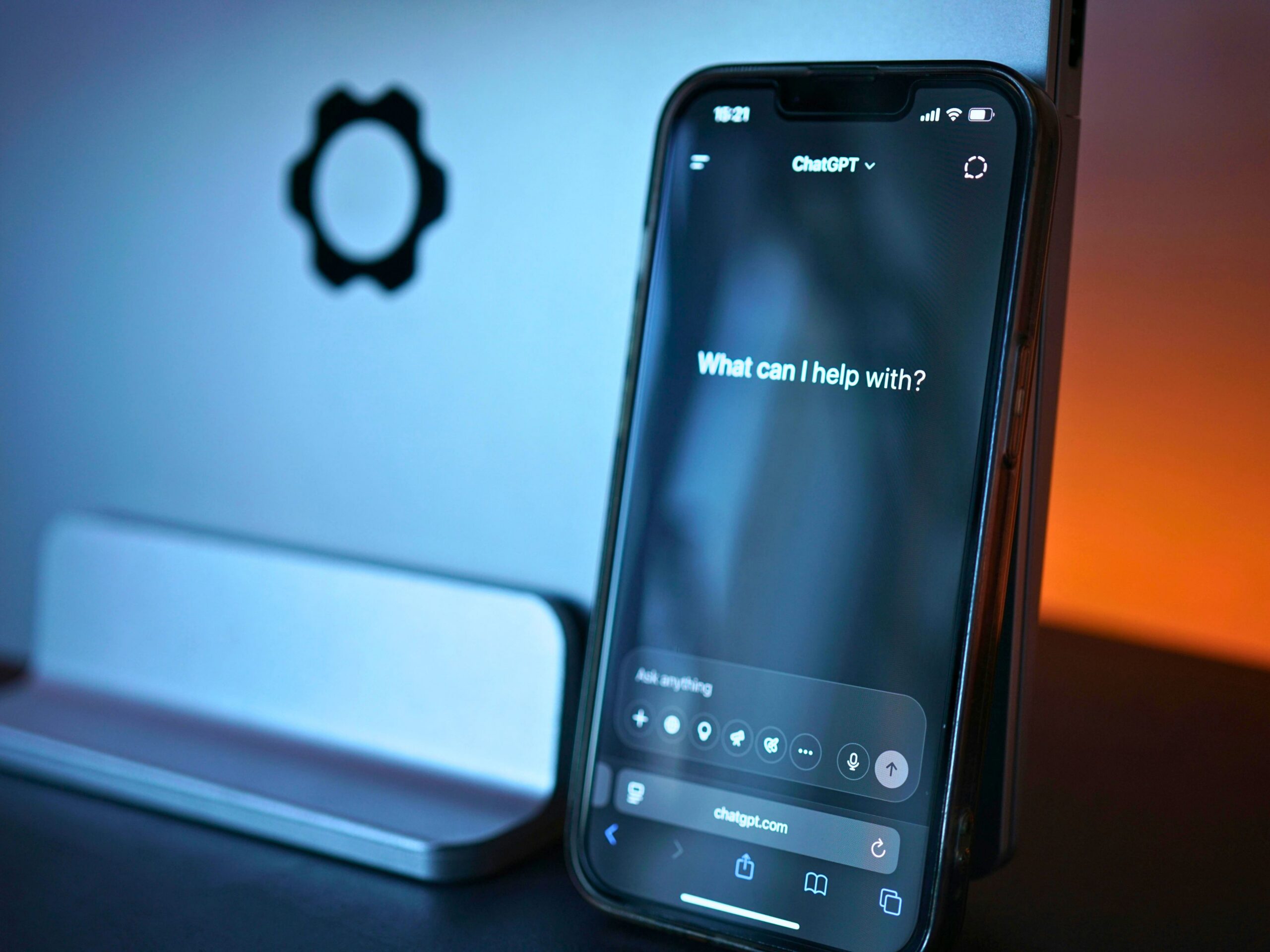
Answer Engine Optimization (AEO) is the practice of structuring content so that AI-powered search engines such as Google AI Overviews and AI Mode, ChatGPT, Perplexity, Claude, and Gemini cite your brand as the authoritative source when generating answers for users.
Where traditional SEO optimizes for the click, AEO optimizes for the citation. The two strategies overlap, but they are not the same. SEO asks “how do I rank?” AEO asks “how do I get quoted?”
Generative Engine Optimization (GEO) is the broader strategic discipline around it: managing how your brand appears (and is framed) across the AI ecosystem, including third-party mentions, structured data, expert citations, and the wider source pool AI models pull from when forming answers.
Why AEO Matters More for Wellness Brands than Almost any Other Category
Three things make wellness an unusually high-stakes category for AEO:
- Health and wellness queries trigger AI Overviews at extraordinary rates. AI Overviews now appear on approximately 48% of all tracked Google queries as of early 2026, but in health-related verticals that figure climbs to roughly 80%. If your category sits in supplements, longevity, fitness, mental wellness, hormone health, recovery, or healthcare services, AI is already mediating most of the discovery experience.
- Wellness consumers research more than almost anyone else. A wellness purchase, from a supplement subscription to a destination retreat to a medical procedure, is rarely impulsive. Consumers compare claims, scan reviews, ask follow-up questions, and often validate across multiple sources. This is the exact behavior AI assistants are designed to consolidate into a single response. Brands cited within AI Overviews earn roughly 35% more organic clicks per impression than uncited brands on the same queries, with some industry analyses citing a 120%+ premium on competitive queries.
- Trust is the entire game. Wellness lives in what Google has long called YMYL territory (Your Money or Your Life) and AI models are trained to be particularly cautious about which sources they trust here. The brands AI cites in wellness aren’t always the ones with the largest ad budget or the prettiest packaging. They’re the ones whose content reads as authoritative, well-sourced, and consistent across the web.
What’s Happening to Wellness Search Right Now

A few numbers worth sitting with:
- AI Overviews appear on about 48% of tracked Google queries, up roughly 58% year over year (BrightEdge)
- Position 1 organic click-through rate has dropped by 58% on queries where AI Overviews appear (Ahrefs, Dec 2025)
- 64.8% of Google searches now end without any click — a zero-click rate that has climbed steadily for years and is accelerating
- Health categories saw an 8% jump in zero-click behavior year over year, the steepest of any industry vertical
- ChatGPT now handles an estimated 12% of Google’s total search volume, and growing
- The global wellness economy is now worth roughly $2 trillion, per the Global Wellness Institute
Ranking #1 used to mean traffic. Increasingly, it means a footnote in someone else’s summary, unless you are the source the AI chooses to cite.
What Wellness Brands Should Do Now
Here is where most wellness brands sit right now…they have a website, they have a blog, they may have a traditional SEO strategy. However, they have no deliberate AI optimization strategy. That gap is the opportunity.
Five practical moves that compound:
- Restructure content for extraction. AI engines cite the cleanest, shortest, most directly quotable passages. Lead each blog post and key service page with a clear answer to the question implied by its title, two to three sentences max, before you elaborate. The headline should be a question. The first paragraph should be the answer.
- Add FAQ schema everywhere. This is the single most underused tactic in wellness. FAQ schema dramatically improves the odds that your content is parsed correctly by AI systems. Every product page, service page, and pillar article should have four to eight FAQ entries with structured data markup.
- Cite real sources, and become one. AI tools cross-reference. Pages that reference peer-reviewed studies, government health data, and named experts are weighted higher than those that don’t. At the same time, develop the expert voice on your own team, for example, quotes from your founder, your medical advisor, your head of formulation, your lead practitioner. Named experts with consistent bios across the web become entities AI recognizes and therefore cites.
- Audit your entity consistency. AI models build a picture of your brand by aggregating signals across hundreds of sources, including your website, LinkedIn, Wikipedia, your founder’s bio, press mentions, review platforms, podcast appearances, directories, etc. If the description of what you do varies meaningfully across those sources, AI’s confidence in citing you drops. Choose one positioning sentence and use it everywhere.
- Track citations, not just rankings. Tools like Profound, Scrunch, Adobe LLM Optimizer, and the Semrush AI Visibility Toolkit now let brands monitor when and how they appear across ChatGPT, Perplexity, Gemini, and Google AI Overviews. If you’re spending on SEO without measuring AI visibility, you’re measuring only a piece of the picture.
Test and Learn
No one has a definitive AEO playbook yet. AI models are evolving monthly and citation patterns shift constantly, so brands pivoting their entire strategy off a single viral case study are setting themselves up to overcorrect. The smarter posture is structured experimentation.
A few practices worth testing now: answer-first content structures on your highest-traffic posts, FAQ schema on a subset of pages, named expert attribution versus anonymous editorial voice, and outbound citations to peer-reviewed sources. Pair each test with an AI visibility tracker like Profound or Semrush so you’re measuring citations, not just rankings.
The wellness brands that win over the next twelve months will be the ones testing methodically.
How Well Connected Brands Helps Wellness Brands Win in AI Search
Well Connected Brands is a wellness marketing agency based in Orange County, California, working with wellness brands nationally — medical devices, functional food and beverage brands, healthcare technology platforms, recovery services and wellness products. We translate trends like the rise of AI search optimization into practical brand strategy, digital marketing, content, and website design work that wellness consumers, and the AI tools they rely on, actually trust.
If your team is wondering whether your blog content, service pages, FAQ structure, schema, and entity footprint are ready for an AI search environment, we can audit where you stand and build a roadmap.
Reach out through our contact page to connect with us.
Frequently Asked Questions
What is AEO in marketing? AEO stands for Answer Engine Optimization. The practice of structuring web content so that AI-powered search engines like ChatGPT, Perplexity, and Google AI Overviews cite your brand when answering user questions.
How is AEO different from SEO? SEO optimizes content to rank in traditional search results and earn clicks. AEO optimizes content to be selected, quoted, and cited by AI systems that generate direct answers for users, often without sending a click at all. They are complementary, not competing.
What is GEO and how does it relate to AEO? Generative Engine Optimization (GEO) is the broader strategic discipline of managing how your brand shows up across the AI ecosystem — including owned content, third-party mentions, and structured data. AEO sits inside GEO and focuses specifically on winning the citation moment.
Do wellness brands need both SEO and AEO? Yes. Traditional SEO still drives the majority of trackable traffic for transactional and navigational queries (booking appointments, buying products, searching for a brand by name). AEO is layered on top to maintain visibility in the growing share of search experiences that are AI-mediated.
Which wellness categories are most affected by AI search? Health, supplements, longevity, fitness, mental wellness, hormone health, and recovery categories trigger AI Overviews at significantly higher rates than the average, in some analyses, on roughly 80% of relevant queries.
Where should a wellness brand start with AEO? Three highest-impact starting points: restructure your most important pages to lead with clear, quotable answers; implement FAQ schema across product and service pages; and audit how consistently your brand is described across the web.
How long does it take to see results from AEO? Most wellness brands implementing a structured AEO strategy see meaningful changes in AI citation patterns within 90 days, with compounding gains over six to twelve months as AI models re-crawl and re-rank source authority.